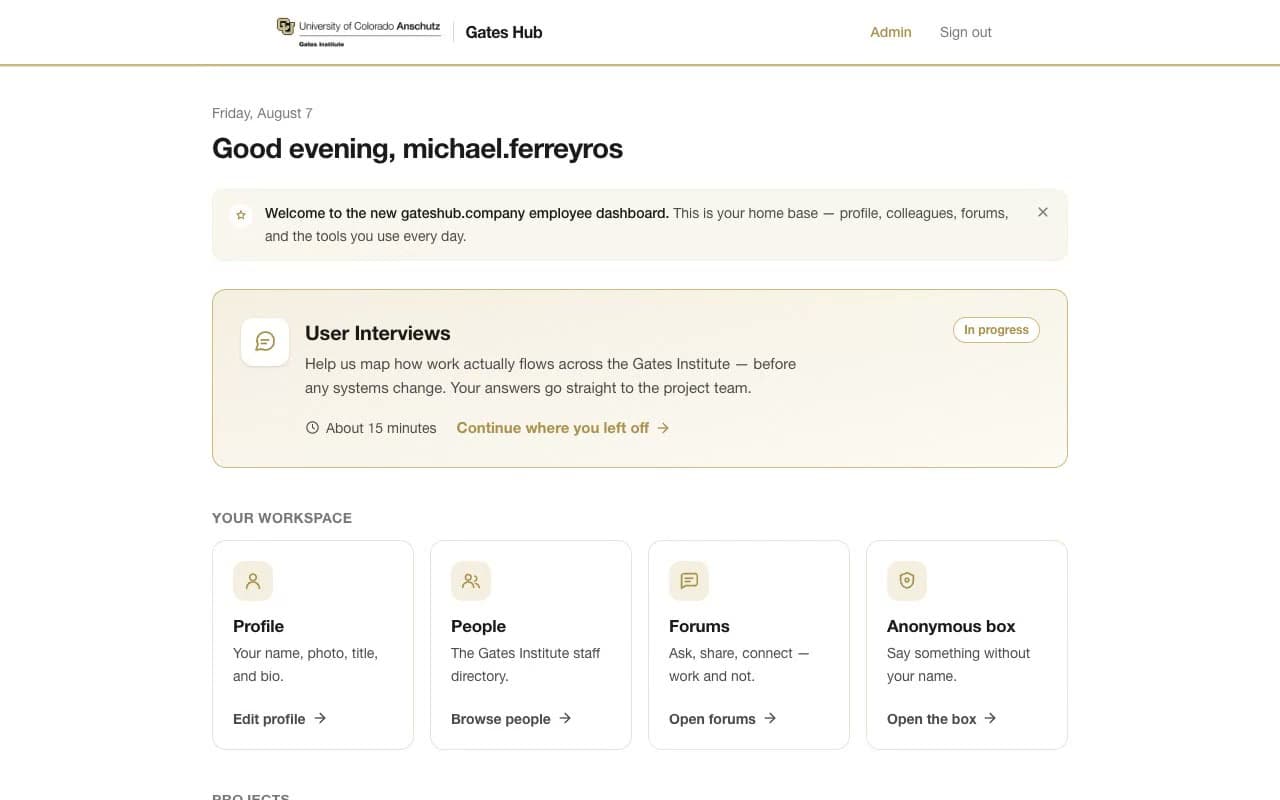
GatesHub
Around a dozen live modules on one hub: user interviews in a day, quotes drawn from live capacity data, and a data layer that makes org-wide agents possible.
Read the case study
Science moves at the speed of its slowest system. Most of the time that system is not the science. It's the ordering queue, the accreditation binder, the spreadsheet nobody trusts. I build the systems that remove those bottlenecks.
Everything below is real and in use. Where a case study carries a demo, it's screen-recorded: the actual product, actual cursor, no mockups.
Around a dozen live modules on one hub: user interviews in a day, quotes drawn from live capacity data, and a data layer that makes org-wide agents possible.
Read the case study
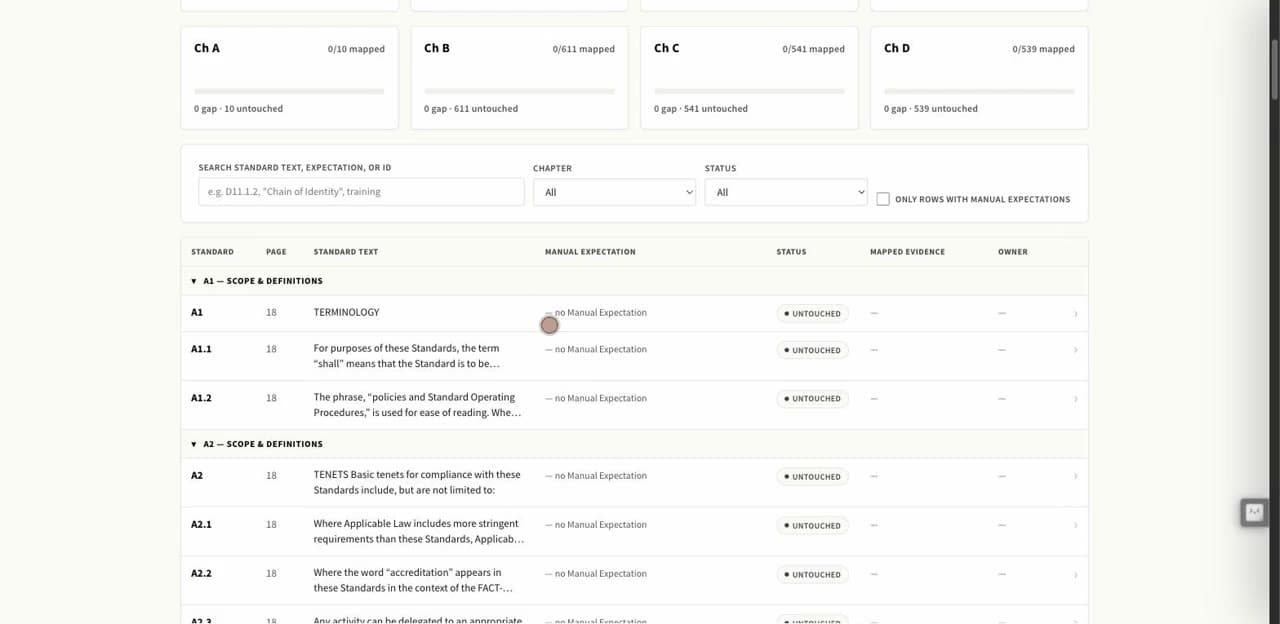
An accreditation reviewer engineered to say 'no match' and mean it: closed verdicts, mandatory confidence, and a compliance call only a human can make.
Read the case study
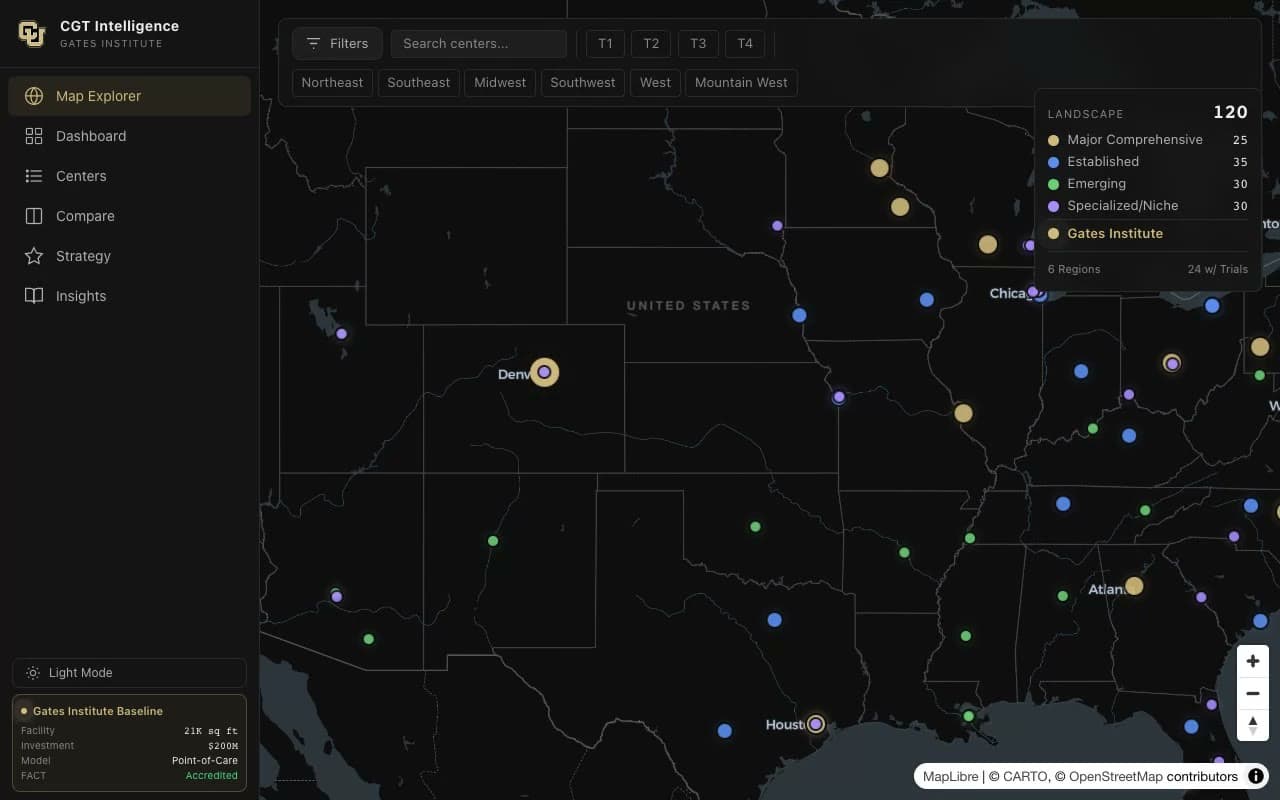
One system holds the whole CGT landscape (120 centers, sourced profiles, strategy views) so leadership stops re-asking the same questions.
Read the case study
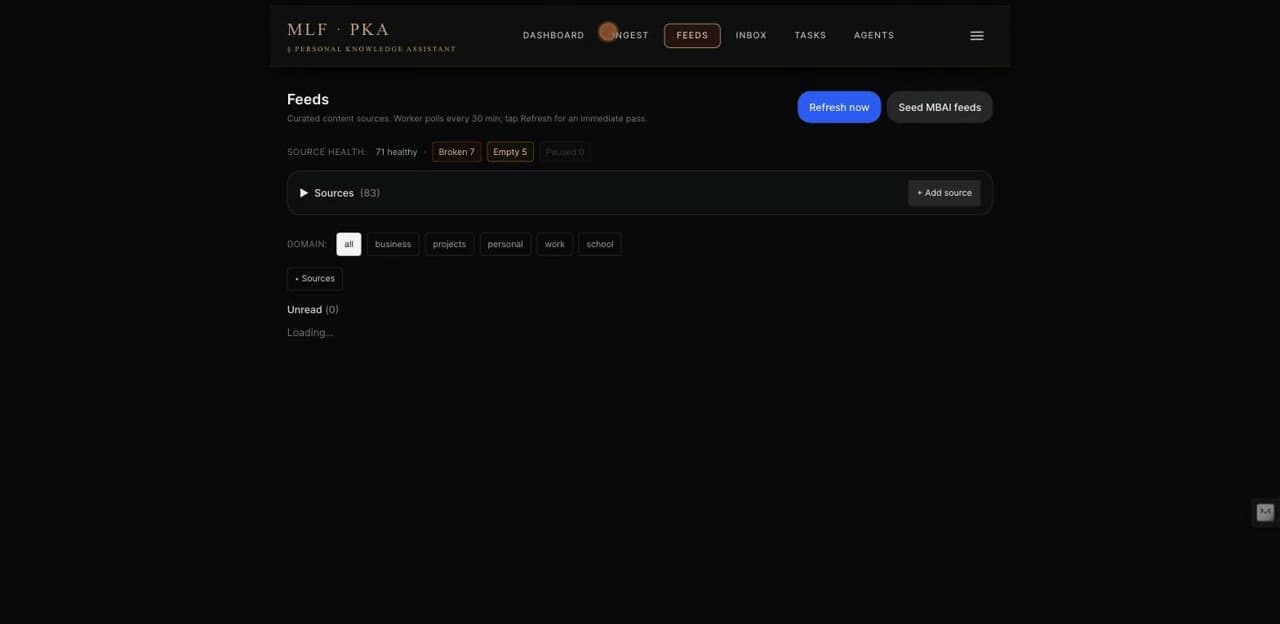
One MCP server, five surfaces: a self-compiling wiki, task board, and capture inbox run daily. Proof the recommended architecture actually ships.
Read the case study
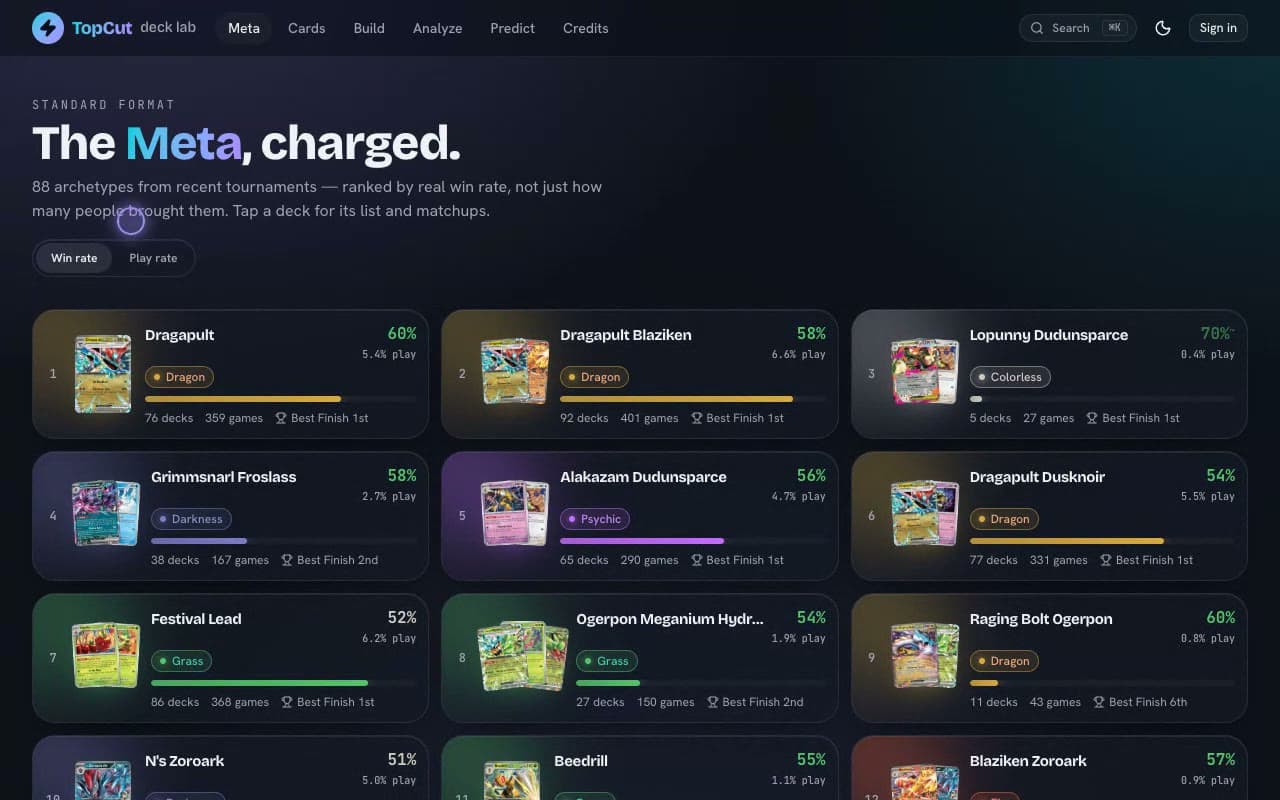
An AI strategy lab for competitive Pokémon TCG, shipped end-to-end as a solo venture: live meta, matchup coach, deck builder, LLC and all.
Read the case study
Not everything worth building gets its own case study. Most of what accelerates a lab is small: a workflow that removes a chore, an alert that fires before a problem compounds, a digest that spares an executive the reading. I build these constantly. Here is the standing set.
Ordering interrupts science when it runs through an inbox: a scientist notices a reagent is low, stops, and chases the request by hand. I automated the full loop, ordering and receiving, so the order flows and the arrival gets logged while the scientist stays at the bench. It saves ~80% of procurement time in the research lab.
Lab equipment fails on nights and weekends, and the cost is measured in samples, not just dollars. Alarm systems watch the equipment and raise the alert the moment something goes wrong, not when someone walks in the next morning. Shrink the gap between fault and response, and fewer things die in between.
Procurement and scientific-admin requests become records in a database, with a Power Automate workflow on top to move each one forward, instead of a person forwarding emails. The workflow does the chasing.
Monitoring a field by hand doesn't scale. I build dashboards fed by Apify scraping and LunarCrush sentiment and news signals, so the field gets watched around the clock. The dashboard does the patrol; people do the judgment.
A generic news digest gets skimmed once and ignored forever. So the CEO, CFO, and CSO each get their own role-relevant cell-and-gene-therapy feed: the CSO gets the science, the CFO gets academic-medical-center finance, donor, and partnership news. The filtering runs automatically, so the digest keeps arriving without anyone assembling it.
I run safety evaluations as routine practice, most recently for a CU Executive MBA presentation, feeding synthetic data seeded with deliberate trip-ups to five models: Claude, Grok, an OpenAI model, and Gemini across cloud, desktop, and terminal harnesses, plus Perplexity as a model-only baseline with no tools. The finding: the chat interfaces did the task well but left nothing behind that made the next run shorter or cheaper; the agentic harnesses (cowork and code) did. In a business setting, that is the argument for agents over chat.
Each of these is small on its own. Together they return hours to people whose hours should go to science, and tell us, before it matters, which tools deserve trust. This is my way of accelerating science.